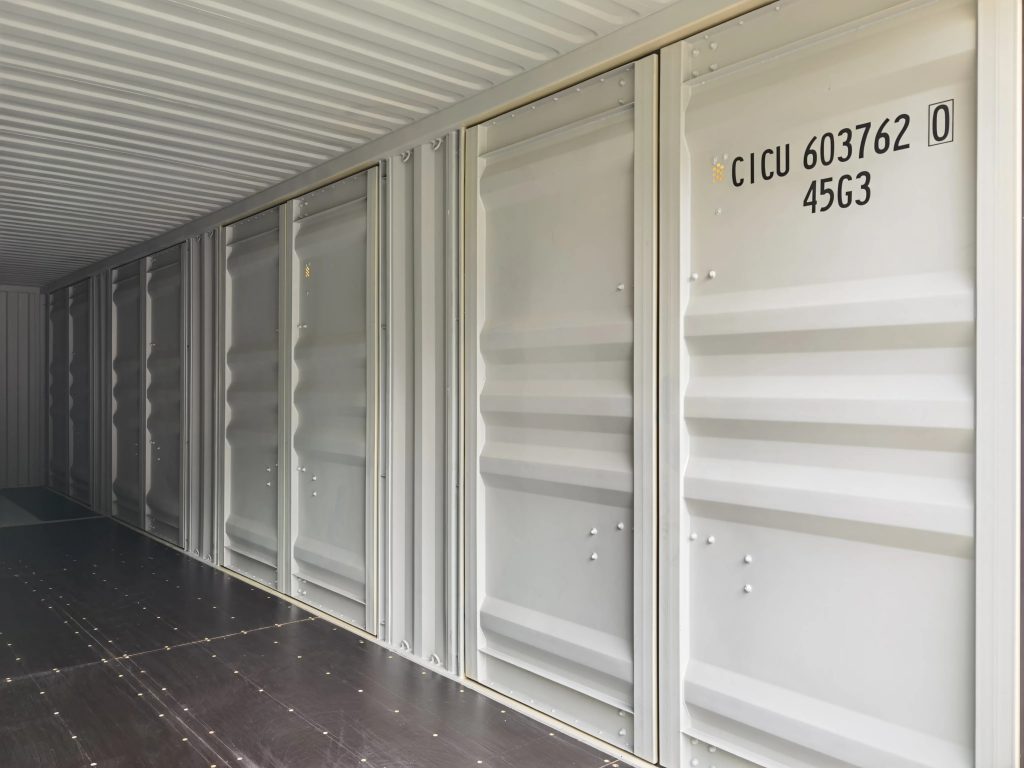
The Versatility of 45-Foot Containers: A Comprehensive Guide
As international trade continues to expand, the requirement for efficient shipping approaches has never been more crucial. One crucial player in the shipping industry is the basic shipping container. While 20-foot and 40-foot containers control the marketplace, the 45-foot container is ending up being significantly popular. This article will go over whatever you need to learn about 45-foot containers, including their requirements, utilizes, benefits, and frequently asked questions.
What is a 45-Foot Container?
A 45-foot container, as its name suggests, is a cargo container that is 45 feet long. These containers are created to offer additional space for cargo, enabling the transportation of larger shipments without requiring several units. They fall under the classification of intermodal containers, which means they can be transported by ship, truck, or rail.
Specs of a 45-Foot Container
The following table offers a clear introduction of the dimensions and capacities of a 45-foot container.
| Requirements | Details |
|---|---|
| External Length | 45 ft (13.7 m) |
| External Width | 8 ft (2.44 m) |
| External Height | 9.5 ft (2.89 m) |
| Interior Length | 44 ft 10 in (13.65 m) |
| Interior Width | 7 ft 9 in (2.35 m) |
| Interior Height | 8 ft 6 in (2.59 m) |
| Maximum Gross Weight | 67,196 lbs (30,480 kg) |
| Tare Weight | 8,666 pounds (3,920 kg) |
| Maximum Payload | 58,530 pounds (26,580 kg) |
| Cubic Capacity | 3,020 ft THREE( |
85.5 m ³)Benefits of Using a 45-Foot Container
The growing appeal of 45-foot containers can be attributed to several benefits they offer:
1. Increased Capacity
Among the most substantial benefits of 45-foot containers is their increased capability compared to standard 40-foot containers. This additional area enables shippers to carry more items in a single shipping system, which is particularly beneficial for companies with big inventories or bulky items.
2. Cost-Effectiveness
By offering additional capacity, 45-foot containers can help in reducing shipping costs on a per-unit basis. Less containers are needed to carry the very same volume of goods, minimizing the costs associated with shipping logistics.
3. Versatile Applications
45-foot containers are ideal for transferring different types of cargo, consisting of machinery, equipment, building materials, and perishable items when used as cooled containers. Their adaptability makes them an exceptional option for various industries.
4. Reduce of Use
Transferring items in a single 45-foot container is typically much easier than handling numerous smaller sized containers. It streamlines loading and unloading processes, decreases dealing with time, and decreases the danger of damage during transport.
Typical Uses of 45-Foot Containers
The adaptability of 45-foot containers makes them extremely searched for for various applications, consisting of:
- Shipping Heavy Machinery: The extra space is ideal for big building and construction equipment that needs cautious handling.
- Bulk Transportation: Businesses can carry bulk items such as grains, chemicals, or basic materials in fewer containers.
- Refrigerated Goods: When equipped with reefer technology, 45-foot containers can efficiently transport temperature-sensitive items like food and pharmaceuticals.
- Short-term Storage: Due to their large interiors, they can serve as temporary storage systems for products during logistical transitions.
Contrast with Other Container Sizes
When thinking about shipping containers, it's necessary to understand how the 45-foot container compares with others. The table below sums up these contrasts.
| Container Type | Length | Cubic Capacity | Normal Use |
|---|---|---|---|
| 20-Foot Container | 20 ft | 1,169 ft ³ Small deliveries, individual storage | |
| 40-Foot Container | 40 ft | 2,390 ft ³ Standard freight shipping | |
| 45-Foot Container | 45 ft | 3,020 ft ³ Large shipments, | equipment transport Often Asked Questions |
(FAQs)1. What is the weight limitation for a 45-foot
container? The optimum gross weight for a 45-foot container is typically around 67,196 pounds (30,480 kg ), while the optimum payload is about 58,530 pounds (26,580 kg). Nevertheless, these limits can differ depending on guidelines, shipping lines, and particular container designs. 2. Can 45-foot containers be used for worldwide shipping? Yes, 45-foot containers are generally accepted in international shipping and can be easily transported by ship, truck, or rail. 3. What are the common kinds of 45-foot containers readily available? There are numerous kinds of 45-foot containers, including: Standard
Dry Containers: For basic cargo. Refrigerated Containers(Reefers)
: For temperature-sensitive goods. Open-top Containers:
- For large cargo. 4. How does one rent or buy a 45-foot container? COG Containers LTD can lease or acquire 45-foot containers through shipping companies, logistics service providers, or specialized container dealers. Costs can differ based upon condition
, type, and area. 5. Are 45-foot containers
simpler to carry compared to smaller sized sizes? 45-foot containers offer ease of usage by permitting the transportation of bigger volumes of products in less units, therefore minimizing the intricacy of logistics preparing.
As shipping requirements progress, so too do the options. The 45-foot container offers services a versatile, cost-effective, and effective approach of transferring products throughout various industries. Whether for heavy equipment, bulk shipments, or cooled products, the 45-foot container stands apart as an exceptional option for modern-day logistics. Understanding its specs, advantages, and applications will better equip organizations to make educated shipping decisions, ultimately boosting their functional performance.